The Day Corsicana Struck Oil (While Looking for Water)
The Day Corsicana Struck Oil (While Just Looking for Water)
If you drive through Corsicana today, it's easy to see the town for what it is now — a friendly, historic community with tree-lined streets, a beautiful downtown, and easy access to some of the best lake living in Texas. But tucked into our local history is a story that quietly changed the entire state.
It all started in 1894, and it started with a mistake.
Looking for Water, Finding Something Else
Back in the early 1890s, Corsicana was growing, and city leaders knew they needed a more reliable water supply to keep up. So the Corsicana Water Development Company hired a drilling contractor, the American Well and Prospecting Company, to sink a well just south of downtown, off what's now South 12th Street.
They weren't looking for oil. They just wanted water.
On June 9, 1894, at a little over 1,000 feet down, the drillers hit something — but it wasn't the clean water they'd hoped for. It was oil. City leaders were reportedly not thrilled at first; they'd paid for a water well, not an oil strike, and only paid the driller half his fee. Funny how history works out.
A Town Transformed
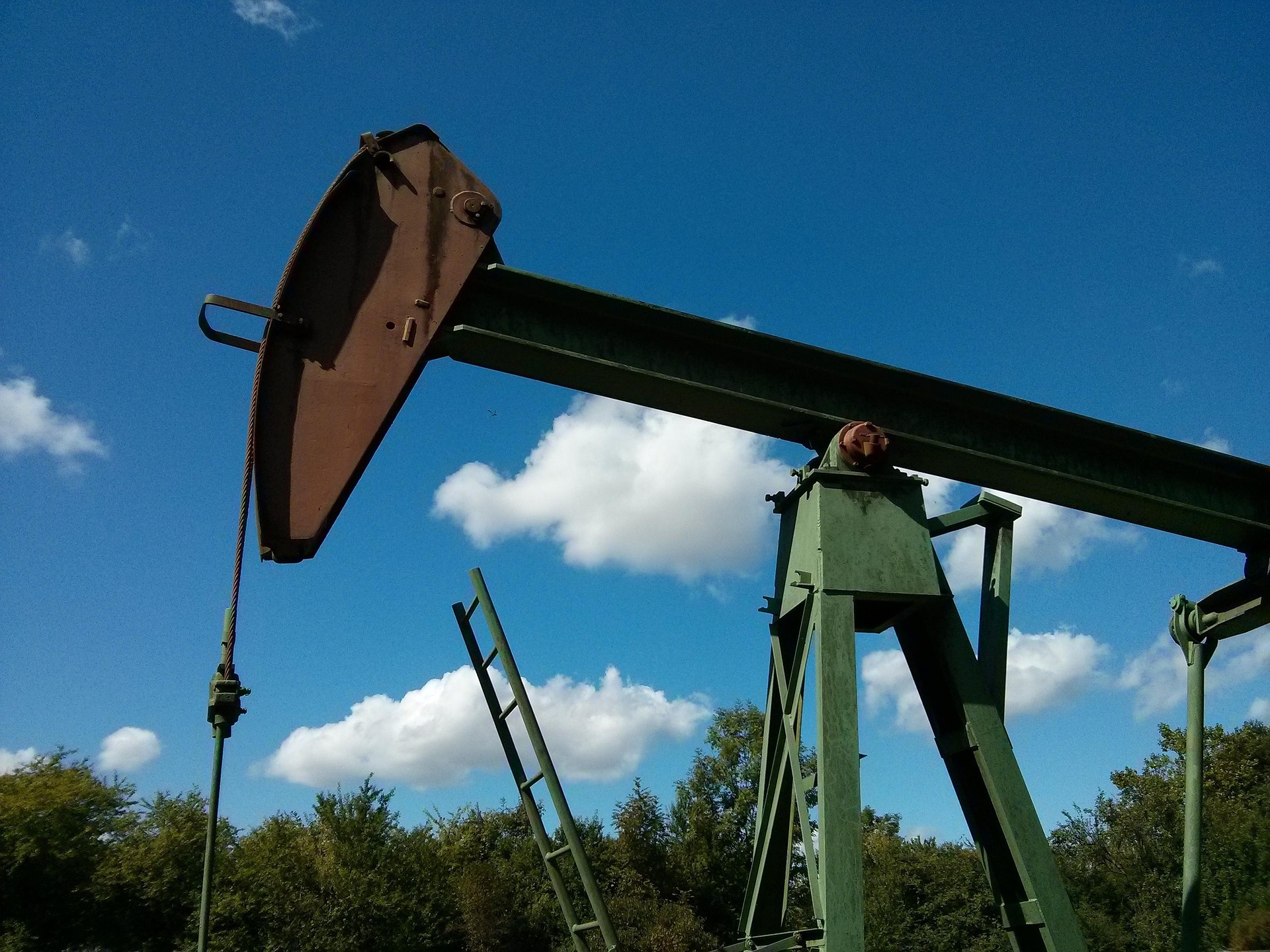
That "failed" water well turned out to be the discovery that launched the Texas oil industry. Within a few years, wooden derricks were popping up in yards and vegetable patches all over town. By the end of the 1890s, Corsicana had nearly 300 producing wells, and in 1898, the first modern oil refinery in Texas opened right here, built under the direction of pioneer Joseph S. Cullinan.
By 1900, the Corsicana field was producing more than 800,000 barrels of oil a year from over 600 wells — most of them right within the city limits.
And here's a fun bit of local pride: the famous Spindletop gusher near Beaumont in 1901, the one most people associate with the start of Texas oil, was actually drilled by a Corsicana crew — the Hamill brothers — using drilling equipment shipped down from right here at home. Corsicana didn't just get there first. Corsicana helped teach the rest of the state how to do it.
Where You Can Still See It
If you want to stand where it all began, you can. Petroleum Park, a small half-acre park just off South 12th Street, marks the spot of that original 1894 discovery well. The capped wellhead is still there, protected in brick, a quiet little monument to the moment an accident changed everything.
Why This Kind of History Matters to Me
I love sharing pieces of local history like this because it's part of what makes our community special — and it's part of what I get to talk about with clients every day. When people are moving to Corsicana, or to Navarro County more broadly, they're not just buying a house. They're becoming part of a place with real roots, real stories, and a real sense of identity.
Whether you're looking at a home near downtown, a piece of land out in the county, or a slice of lake life at Richland Chambers or Cedar Creek, there's history under your feet here — sometimes literally. I think that's worth knowing, and worth sharing.
If you're curious about this area, or thinking about making Corsicana or the surrounding lakes home, I'd love to talk with you about it.
If it's meant to be, it will be.
Cheryl Blanton Broker Associate, Christie's International Real Estate @Properties Lone Star 903.229.0663 | www.cblantonproperties.com
