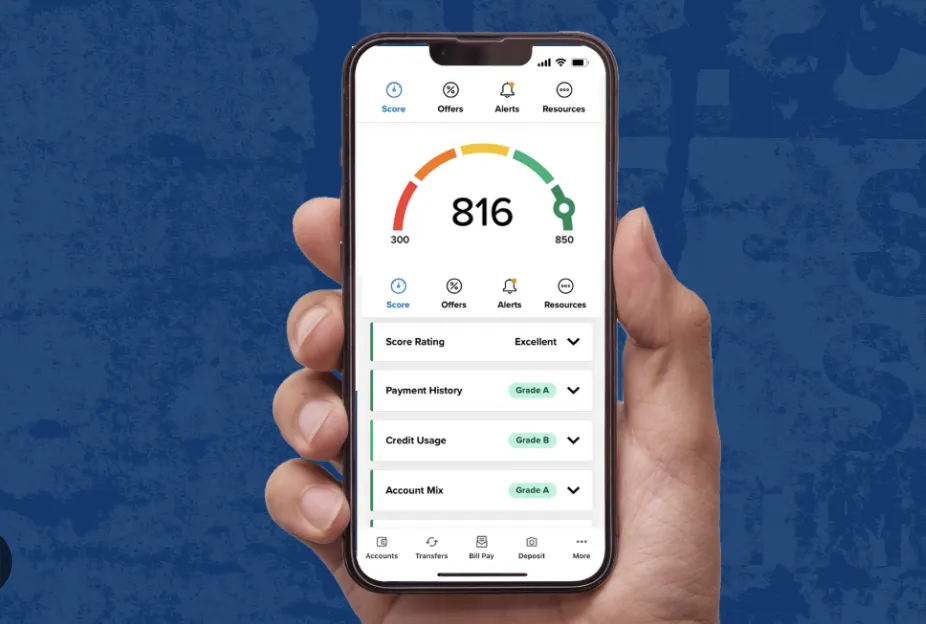
What Credit Score Do You Really Need to Buy a Home?
Think your credit score has to be perfect before you can buy a home? That belief keeps many potential buyers on the sidelines longer than they need to be.
While a higher score may give you more loan options and better pricing, there is no single credit score required for every mortgage. The score you need depends on the loan program, lender requirements, down payment, debt, income, and overall financial picture.
A 620 score is a common benchmark for conventional financing, but some buyers may qualify with a lower score—and a score above 620 does not automatically guarantee approval.
What Is a Credit Score?
A credit score is a number lenders use to help evaluate how you have managed borrowed money. FICO scores generally range from 300 to 850, with higher scores indicating a stronger credit history.
Your score is influenced by factors such as:
Payment history
Credit card balances
How long you have used credit
Recent credit applications
The types of credit accounts you have
Collections, late payments, or other negative information
Mortgage lenders may use a different credit-scoring model than the one shown by a free credit-monitoring app. Don’t be surprised if the number your lender sees is different from the score displayed on your phone.
Is 620 the Minimum Score to Buy a Home?
Not necessarily.
A score of 620 is commonly associated with conventional mortgages. For example, Fannie Mae lists a 620 minimum for certain manually underwritten fixed-rate loans, while loans evaluated through its automated underwriting system may be assessed using multiple risk factors rather than one universal minimum. Individual lenders can also establish their own requirements. Fannie Mae explains its current credit-score guidelines here.
Here is a general overview of several common programs:
Conventional Loans
Many conventional loan options use 620 as a starting point, although requirements vary by lender, property, and underwriting method.
A higher score may help you receive:
A more favorable interest rate
Lower private mortgage insurance costs
More loan choices
A smaller required down payment
Better overall loan pricing
Meeting the minimum requirement only means you may be eligible. It does not necessarily mean you will receive the best terms.
FHA Loans
FHA financing may offer options for buyers with lower credit scores.
HUD guidance generally allows:
A score of 580 or higher for maximum FHA financing, which may permit a down payment as low as 3.5%
A score between 500 and 579 with a down payment of at least 10%
No FHA eligibility when the applicable score is below 500
These are FHA program guidelines, but individual lenders may require higher scores or impose additional conditions. HUD provides additional information about FHA financing and minimum scores.
VA Loans
The Department of Veterans Affairs does not establish one universal minimum credit score for VA-guaranteed loans. However, the lender making the loan may set its own minimum.
Eligible borrowers must still demonstrate satisfactory credit and sufficient income to meet their financial obligations. The VA’s home-loan guidance explains that lender requirements may apply.
USDA Loans
USDA’s Single Family Housing Guaranteed Loan Program does not publish a universal minimum credit-score requirement. Applicants must still show both the willingness and ability to manage and repay debt, and participating lenders may have their own underwriting requirements. Income and property-location restrictions also apply. USDA explains the program’s credit requirements here.
Your Score Is Only Part of the Decision
A good credit score does not erase other financial concerns, and a lower score does not always end the conversation.
Lenders also consider:
Income and employment history
Monthly debt obligations
Debt-to-income ratio
Down payment
Cash reserves
Recent late payments or collections
Bankruptcies or foreclosures
Type and condition of the property
Loan amount and occupancy plans
Two buyers with the same credit score could receive very different loan decisions because their overall financial situations are different.
How Does Your Score Affect Your Interest Rate?
Your credit score can affect more than your ability to qualify. It may also affect how much the mortgage costs.
According to the Consumer Financial Protection Bureau, higher scores generally reflect a stronger credit history and may help borrowers qualify for lower interest rates. Even a relatively small difference in rate can affect both the monthly payment and the total interest paid over the life of the loan. The CFPB explains how credit scores affect mortgage qualification and rates.
Improving your score before purchasing could:
Lower your monthly payment
Reduce your interest costs
Improve your loan options
Lower mortgage insurance costs
Increase your purchasing power
However, waiting to achieve a perfect score may not be necessary. Ask a qualified lender to compare what you could qualify for now with what might improve if your score increased.
What Can You Do to Improve Your Credit?
If you plan to purchase a home, start reviewing your credit early. This gives you time to find errors and make thoughtful improvements.
Helpful steps may include:
Pay every bill on time. Payment history is an important part of most scoring models.
Reduce credit card balances. High balances compared with your available limits may hurt your score.
Review your credit reports. Dispute inaccurate information through the appropriate credit-reporting company.
Avoid unnecessary new accounts. Applying for several credit cards or loans shortly before buying may affect your score and loan approval.
Don’t close accounts without guidance. Closing an older account could reduce your available credit or shorten your credit history.
Speak with a lender before moving money or paying off debts. The strategy that seems obvious may not be the one that helps your mortgage application most.
The CFPB recommends paying bills on time, keeping balances well below credit limits, applying only for needed credit, and checking reports for errors. Review the CFPB’s credit-building guidance.
Don’t Make Major Credit Changes During the Loan Process
Once you have been preapproved, try to keep your financial situation stable until after closing.
Avoid:
Financing a vehicle
Opening new credit cards
Co-signing for someone else
Making large financed purchases
Missing payments
Charging furniture or appliances before closing
Changing jobs without speaking to your lender
Lenders may review your credit again shortly before closing. A new account, higher balance, or missed payment could change your approval.
The Best First Step Is a Conversation
You don’t need perfect credit to begin planning for homeownership. You also don’t need to guess whether your score is high enough.
A trusted mortgage lender can review your full financial picture, explain the programs available, and help you create a plan. If you aren’t ready today, you may be closer than you think—and you’ll know exactly what to work on next.
Thinking about buying a home in North Central Texas? Let’s connect you with a trusted lender and build a realistic path toward homeownership—without judgment, pressure, or guesswork.
