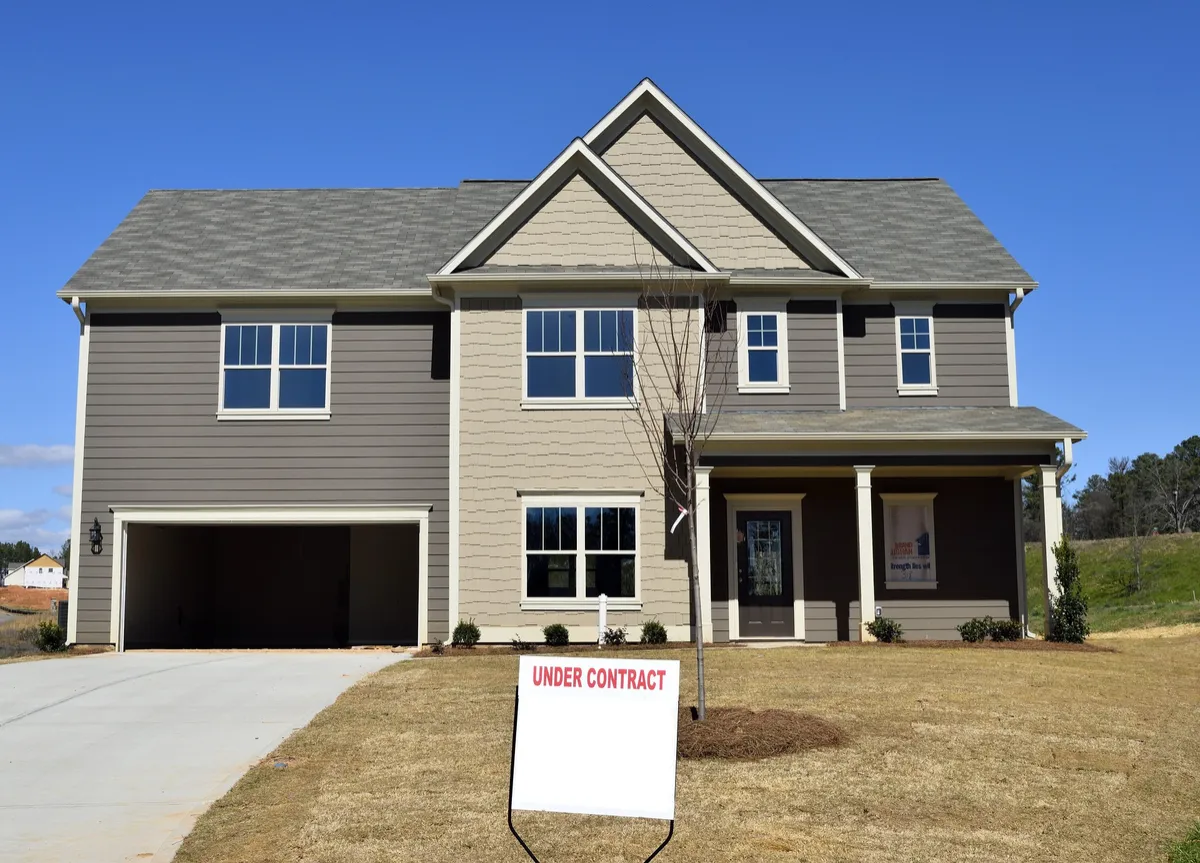
How Long Will It Take to Sell My North Texas Home?
How Long Will It Take to Sell My Home in North Texas?
“How long will it take to sell my home?” is one of the first questions sellers ask—and one of the hardest to answer with a single number.
A home is not officially sold when the sign goes in the yard, when an offer arrives, or even when the contract is signed. The complete timeline usually includes preparation, time on the market, negotiations, inspections, appraisal, financing, title work, and closing.
Some North Texas homes move quickly. Others take months. The difference is often not luck.
Here is what actually affects the timeline.
There Are Three Timelines, Not One
When sellers hear “days on market,” they may assume that number represents the entire selling process. It does not.
Think of the sale in three stages:
1. Preparation time
This begins when you decide to sell and ends when the property is ready to launch. It may take a few days or several weeks, depending on repairs, cleaning, staging, photography, documents, and the seller’s schedule.
2. Active market time
This is the period between listing the property and accepting an offer. Pricing, demand, competition, condition, marketing, and showing access strongly influence this stage.
3. Contract-to-closing time
After the contract is signed, the transaction may still involve an option period, inspections, repairs, financing, appraisal, title work, survey issues, insurance, and final closing preparations.
A home that receives an offer in seven days is not necessarily seven days away from being sold and funded.
What Does “Days on Market” Really Tell You?
Days on market measures how long a listing has been active according to the local listing system’s rules. It can be useful when comparing similar properties, but it does not tell the entire story.
It may not fully reflect:
Time spent preparing before the launch
A prior listing under different circumstances
A contract that terminated and returned to market
Delays after the offer was accepted
Differences between cash and financed transactions
Whether the seller made the home difficult to show
The median or average market time for a broad area is a reference point—not a promise for your property.
The Eight Factors That Most Affect Selling Time
1. Price
Price determines which homes buyers compare with yours.
If the property is positioned above competing homes without offering a clear advantage, buyers may skip it online or tour it and choose another. An unrealistic starting price can cost valuable early attention and lead to a longer timeline.
Correct pricing does not mean giving the home away. It means placing it where the market can recognize the value.
2. Condition and preparation
Buyers in every price range notice care and maintenance.
A clean, bright, well-presented home may feel easier to purchase than a property with odors, unfinished projects, deferred maintenance, or obvious repair concerns. Conditions affecting insurance or financing can slow the transaction even after a buyer is found.
Preparation should focus on the work that improves confidence or removes obstacles—not unnecessary renovations.
3. Competition
Your home does not sell in isolation.
If buyers can choose among many similar listings, they will compare price, condition, location, incentives, and monthly cost. New construction offering rate assistance or closing incentives may also compete with resale properties.
The number of active alternatives can change while your home is listed, so the strategy must be reviewed rather than set once and forgotten.
4. Buyer demand in your price range
A market can be active overall while demand is slower for luxury homes, rural acreage, waterfront properties, condos, or another specialized category.
Entry-level homes may have a larger buyer pool but face affordability limits. A unique lake home may need more time to reach the right buyer.
The appropriate timeline depends on the property type—not merely the county average.
5. Marketing and positioning
Most buyers decide whether to investigate a property after seeing it online.
Professional photography, video, accurate details, an effective description, and exposure to the right audience can affect how quickly buyers act. A lake property needs different positioning from a Dallas condo, Corsicana neighborhood home, or Navarro County acreage tract.
Marketing cannot overcome every pricing or condition problem, but weak marketing can hide an otherwise strong property.
6. Showing access
Buyers cannot purchase a home they cannot see.
Long notice requirements, restricted hours, frequent denials, pets, occupants, or difficult access can add days or weeks to a sale. Sellers deserve privacy and reasonable boundaries, but the showing plan should also reflect how serious buyers shop.
7. Offer terms and negotiation
The first offer is not automatically the best offer, and the highest price is not always the strongest path to closing.
Financing, option terms, contingencies, requested contributions, appraisal risk, closing date, and the buyer’s ability to perform all affect the timeline.
A carefully evaluated offer may save far more time than accepting an impressive price attached to fragile terms.
8. Financing, appraisal, title, and insurance
Once the home is under contract, several professionals and processes become involved.
Possible delays include:
Buyer loan approval
Appraisal questions
Insurance availability
Roof or condition requirements
Survey discrepancies
Liens, estates, divorces, or title defects
HOA documents
Required repairs
Buyer home-sale contingencies
Some issues can be identified before listing. Others appear only after the transaction begins.
How Long Does Preparation Take?
For a well-maintained home needing only cleaning, decluttering, and photography, preparation may be relatively quick.
More time may be appropriate when the property needs:
Significant repairs
Painting or flooring work
Estate clean-out
Landscaping
Staging
Septic, well, dock, or specialist evaluation
Survey or title research
Coordination among multiple owners
Rushing to market before the home is ready can create a poor first impression that is difficult to reverse.
The goal is not perfection. It is a coordinated launch.
How Long Does It Take After Accepting an Offer?
The contract determines the closing date. A cash transaction may be able to close more quickly, while a financed purchase commonly needs more time for underwriting, appraisal, title, insurance, and lender requirements.
The agreed date can also be affected by:
Repairs or treatments
An appraisal problem
Buyer financing conditions
Title objections
A new survey
HOA information
A sale-of-other-property contingency
Delayed documents or signatures
The current TREC One to Four Family Residential Contract allows the parties to negotiate the closing date. No universal number applies to every transaction.
Can I Sell by a Certain Date?
We can build a strategy around a target, but no agent can honestly guarantee when a particular buyer will make an acceptable offer or whether every part of the transaction will proceed without delay.
If you must sell by a certain date, work backward.
For example, consider:
Your required closing date
A realistic contract-to-closing period
Time for inspections and negotiations
Expected market time for comparable properties
Preparation and marketing time
A buffer for unexpected delays
The earlier we understand the deadline, the more choices you are likely to have.
What Usually Makes a Home Sell Faster?
The most reliable ways to improve the timeline are:
Price the property using current evidence
Prepare it for the buyer most likely to purchase it
Address conditions that could affect insurance or financing
Launch with strong photography and complete marketing
Make showings reasonably accessible
Review feedback and competing listings
Respond promptly to serious offers
Evaluate the strength of the terms, not only the price
Prepare title, survey, HOA, and property documents early
None of these creates a guarantee. Together, they reduce avoidable delays.
What Can Make a Home Sit Longer?
Common causes include:
Starting too high to “leave room to negotiate”
Poor photographs or incomplete listing information
Deferred maintenance that makes buyers fear larger problems
Limited showing availability
Ignoring repeated feedback
Competing with better-prepared homes at the same price
Failing to adjust when the market changes
Accepting an offer without examining financing and contingencies
Time on market can also create its own challenge. Buyers may wonder why the property has not sold and assume there is room for a larger discount.
That is why the opening strategy matters.
How I Estimate a Selling Timeline
I begin with comparable properties that recently sold, went under contract, remained active, expired, or reduced their prices.
Then I consider:
Your property’s condition and features
The likely price range
Current competing listings
The number and type of active buyers
Seasonal factors
Your preparation needs
Showing availability
Your preferred closing date
Possible title, insurance, or financing concerns
From there, I can provide a reasonable range and explain what may make the sale faster or slower.
That is more honest than promising a date simply to win the listing.
The Bottom Line
The time required to sell a North Texas home includes more than days on market. It begins with preparation and continues through funding and closing.
Price, condition, competition, marketing, access, offer quality, financing, appraisal, title, and insurance all influence the result.
You cannot control every part of the process. You can control whether the home enters the market prepared, positioned, and supported by a clear strategy.
If you are planning a move in North Central Texas, Navarro County, the Dallas area, Cedar Creek Lake, or Richland Chambers Lake, I can help you build a realistic timeline based on your property and your goals.
No artificial promises—just a thoughtful plan for getting from “thinking about selling” to a successful closing.
Visit cblantonproperties.com to start the conversation.
This article is for general informational purposes and is not legal, tax, lending, title, inspection, appraisal, insurance, or financial advice. Market times, contract terms, expenses, and closing requirements vary by property and transaction.
FAQ
What is the average time to sell a house in North Texas?
The answer varies by city, neighborhood, price range, property type, condition, and current competition. Local averages are useful reference points but cannot predict the timeline for one specific home.
Does days on market include the closing period?
Generally, days on market tracks listing activity and does not represent the entire process from preparation through closing. A seller should plan for preparation, active market time, and contract-to-closing time.
How long does it take to close after accepting an offer in Texas?
The buyer and seller negotiate the closing date in the contract. Financing, appraisal, title, survey, insurance, repairs, HOA documents, and other requirements affect how much time is needed.
What is the fastest way to sell my home?
Start with realistic pricing, appropriate preparation, strong marketing, reasonable showing access, and early attention to title or condition concerns. A fast offer with weak terms is not necessarily the fastest route to a successful closing.
Can a real estate agent guarantee when my house will sell?
No agent can honestly guarantee when a buyer will make an acceptable offer or that every step will proceed without delay. An experienced agent can provide a supported range, identify likely obstacles, and build a strategy around the seller’s target date.
